

Why the Purchase Matters
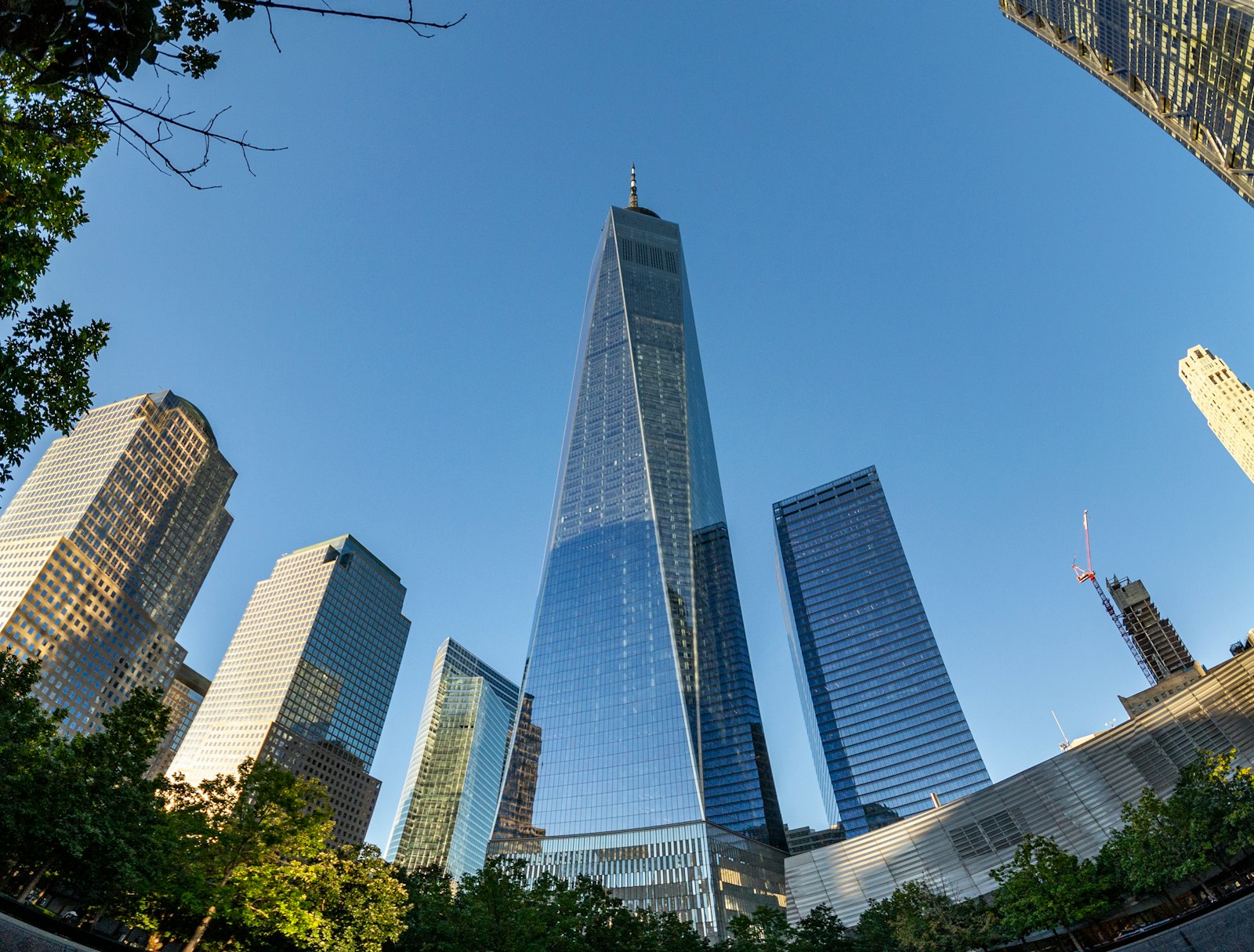
The 50-story tower at 60 Wall Street offers 1.6 million square feet of vacant space in the heart of the Financial District. Its proximity to transit, parks and cultural venues makes it a prime residential candidate.
Bushburg has a proven record converting office buildings into vibrant homes. Projects like 80 Pine Street and 100 William Street demonstrate the firm’s ability to blend modern design with historic character.
Paying roughly $400 million for the tower signals strong confidence in Manhattan’s rental market. Demand for high-quality, centrally located apartments remains robust despite recent mortgage-rate fluctuations.
The conversion will increase the district’s housing supply, helping to balance the market. More units will give families, professionals and newcomers more options for city living.
Adding thousands of new apartments will also support local businesses by expanding the customer base. A larger residential population can stimulate retail, dining and service sectors in the area.
Understanding the Conversion Process
First, Bushburg will submit a rezoning application to the Department of City Planning. The filing must show how the project meets community needs and complies with zoning rules.
Next, architects will redesign floor plates to create livable units. They will incorporate amenities such as gyms, lounges and rooftop gardens while ensuring each apartment receives ample natural light.
After design approval, contractors will begin demolition of interior office structures. This phase includes careful asbestos and hazardous-material removal to meet strict safety standards.
Mechanical, electrical and plumbing systems will then be upgraded to residential specifications. Modern HVAC, smart-home wiring and energy-efficient fixtures will be installed throughout the building.
Finally, the city will issue a Certificate of Occupancy for residential use. At that point leasing agents can start marketing the new apartments to prospective tenants.
Financing the Deal
Bushburg secured financing through a mix of equity partners and a construction loan. The loan covers demolition, redesign and fit-out costs, while equity investors share future rental revenue.
The $400 million purchase price reflects the building’s prime location and conversion potential. Analysts expect the completed tower to generate substantial annual rent once fully occupied.
Tax incentives for affordable housing can lower overall project costs. By allocating a portion of units to lower-income residents, Bushburg may qualify for city and state subsidies.
Investors are monitoring market trends closely, including vacancy rates, rent growth and demographic shifts. This data helps ensure the project remains financially viable throughout construction and lease-up.
Bushburg also plans to tap into low-interest green financing programs. Sustainable building features can qualify for additional credits, further reducing the capital required for the conversion.
Impact on Existing Tenants and Neighbors
Current office tenants will receive formal notice to vacate according to their lease terms. Bushburg typically offers relocation assistance or cash incentives to ease the transition for displaced businesses.
Neighbors should expect construction noise and limited street access for several months. The firm commits to a mitigation plan that includes restricted work hours and dust-control measures.
Local businesses may benefit from increased foot traffic once residents move in. New retail spaces on lower floors can attract cafes, grocery stores and services that serve both residents and commuters.
Community groups are invited to review project plans at public hearings. Feedback on public-space design, affordable-unit allocation and environmental sustainability will be incorporated where feasible.
The developer will provide regular updates to the neighborhood association. Transparent communication helps address concerns early and fosters goodwill throughout the construction period.
What Buyers and Renters Should Look For
Prospective renters should monitor the building’s leasing timeline. Early-bird applications often secure lower rents and priority for premium floor plans with city views.
Buyers interested in future ownership should watch for condo conversion announcements. Bushburg may offer a portion of units for sale once construction reaches a defined stage.
Amenities such as bike storage, pet-friendly policies and smart-home technology add significant value. Review the final amenity list to ensure it aligns with your lifestyle needs.
Consider the building’s energy-efficiency features. Modern HVAC systems, LED lighting and high-performance windows can lower utility costs and improve indoor air quality.
Evaluate the building’s security and service offerings. 24-hour concierge, controlled-access entry and on-site maintenance are important factors for both renters and owners.
Steps to Take Right Now
Sign up for updates on the 60 Wall Street project through the broker’s website. Newsletters provide construction milestones, leasing dates and unit-availability alerts.
Schedule a meeting with a SERHANT agent to discuss financing options. Agents can connect you with lenders experienced in Manhattan residential conversions and help you pre-qualify.
Visit the Financial District to assess walkability. Check proximity to subway lines, grocery stores, schools and parks to gauge daily convenience and neighborhood vibe.
Prepare your documentation early, including credit reports and income verification. Having paperwork ready speeds up the application process when units become available.
Attend the next public hearing on the project. Engaging with the process gives you a voice on design choices and ensures the development meets community expectations.
Questions
When is the 60 Wall Street conversion expected to be completed?
Bushburg aims to finish demolition and redesign within 18 months. Full residential occupancy is projected three years after purchase, assuming no major regulatory delays.
Will any units be designated as affordable housing?
Yes, the developer plans to set aside a percentage of apartments for affordable rent. Exact numbers will be disclosed during the city-approval process.
How will the conversion affect current office tenants?
Existing office tenants will receive formal notice to vacate according to lease terms. Bushburg typically offers relocation assistance or cash incentives to ease the move.
What financing options are available for prospective renters?
Renters can explore rent-to-own programs, employer housing assistance and city-backed rental subsidies. SERHANT agents can guide you through each option.
More from Sarah Cotty: buying a home, selling a home, and the market journal.